Consumer buying behaviour has changed significantly over the last few years. Before making a purchase, many shoppers now watch product reviews, compare creator recommendations, browse unboxing videos, and look for authentic customer experiences instead of relying solely on brand advertisements. This shift has made creator-led content an important part of how products are discovered online.
Rather than investing only in celebrity endorsements, many e-commerce brands are partnering with smaller creators who have built trusted relationships with niche communities. This approach is helping brands create authentic content, generate meaningful engagement, and influence purchase decisions throughout the customer journey. As a result, micro influencer marketing for ecommerce is becoming an increasingly valuable strategy for businesses of every size.
Why Smaller Communities Often Deliver Bigger Results
While a large audience does generate visibility, it doesn’t necessarily lead to sales.
Micro-influencers usually have a dedicated fan base that’s interested in certain topics, like skincare, fitness, parenting, gadgets, fashion, home décor, etc. Their audience tends to interact with them because they feel they can rely on the creator’s opinions and really look for recommendations in that niche.
Regularly answering product questions, showing real-life use, and engaging with their audience often makes recommendations seem like advice rather than advertising. A high level of trust is one of the drivers behind many brands turning to ecommerce influencer marketing over digital ads.
One Product, Multiple Creators
One noticeable shift in creator marketing is that brands are moving away from partnering with a single influencer for every campaign.
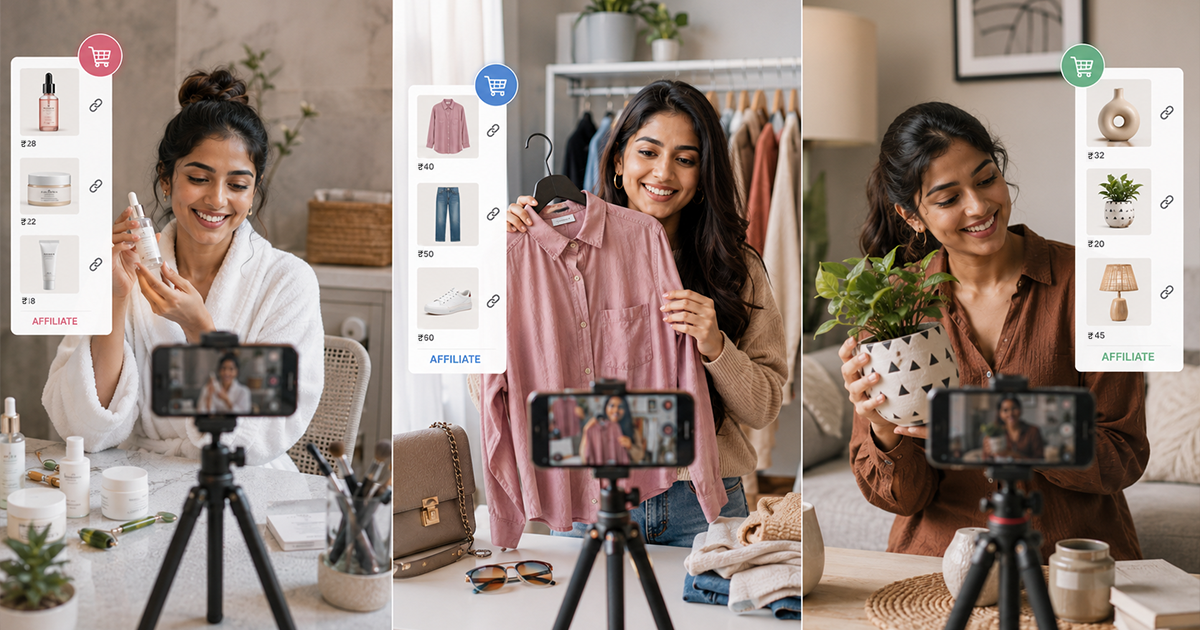
Instead, many businesses now collaborate with multiple micro-creators who each speak to different audience segments. A skincare brand, for example, may work with creators focused on beauty, wellness, motherhood, and student lifestyles at the same time.
This approach generates diverse content styles while helping brands reach multiple communities without depending on one creator’s audience alone.

Creator Content Doesn’t End on Social Media
Nowadays, content is not created exclusively for Instagram or YouTube. Many ecommerce brands now repurpose creator-generated videos for multiple touchpoints, such as:
- Product pages
- Marketplace listings
- Paid social advertising
- Email campaigns
- Brand websites
- Display advertisements
Brands are not just running creator collaboration campaigns but are creating content libraries that can be used for marketing purposes long after the creation of the video post.
Also read: Influencer Marketing for E-commerce Brands
Authenticity Can’t Be Scripted
Consumers can quickly recognise content that feels overly promotional.
Brands are no longer giving creators a script to read aloud to their followers; instead, they’re giving creators campaign objectives, product information, and key messages and letting creators communicate with their followers in their own manner.
This creative freedom can lead to more authentic content since creators can present products in a way that feels natural to the audience that already trusts them. This is an important aspect of modern ecommerce influencer marketing as audiences continue to crave authenticity.
Measure Content Value Beyond Views
Impressions and follower numbers are no longer the only metrics used to measure a successful creator campaign.
Brands are increasingly measuring whether creator-generated content is helpful in product discovery, answers consumer questions, influences purchasing decisions, and provides value across multiple marketing channels.
A high-performing creator video used on the product page, in paid advertisements, and in an email marketing campaign can become more valuable than high view count posts.
Finding the Right Creators
It is sometimes more important to select creators with the right audience than to choose creators with the most followers.
Platforms such as Talentrack make it easier to find creators in India for various categories to help you find creators that are suitable for your products, audience, and campaign goals. Rather than manually reaching out to creators, brands can find a way to reach creators who are able to create authentic content that can be used for long-term growth.
The rise of businesses exploring micro influencer marketing in the ecommerce space will continue to make it vital to identify creators who have authentic connections to their audience.
Conclusion
The future of e-commerce belongs to brands that build trust before asking customers to buy. Creator-led content has become an important part of that journey because it helps shoppers make informed purchasing decisions through authentic recommendations and real product experiences.
Instead of focusing only on reach, successful brands are investing in smaller creator communities, reusable content, and long-term partnerships that continue generating value across multiple channels. By combining these approaches with thoughtful ecommerce influencer marketing, businesses can strengthen customer relationships while making micro influencer marketing for ecommerce a sustainable driver of long-term growth.
Frequently Asked Questions
How do e-commerce brands find the right micro-influencers?
Brands can use influencer discovery platforms such as Talentrack to connect with relevant creators in the niche, audience, content type, and campaign criteria.
Are micro-influencers suitable for product launches?
Yes, micro influencers can create authentic product awareness and support early customer engagement through relatable content.
Which e-commerce industries benefit most from micro-influencer marketing?
Beauty, fashion, electronics, home décor, wellness, food, and lifestyle brands often see strong results from micro-influencer collaborations.
Can micro-influencer content be used after a campaign ends?
Yes, with the creator’s consent and agreed-upon usage rights, brands can repurpose content across websites, product pages, email campaigns, and digital advertising.