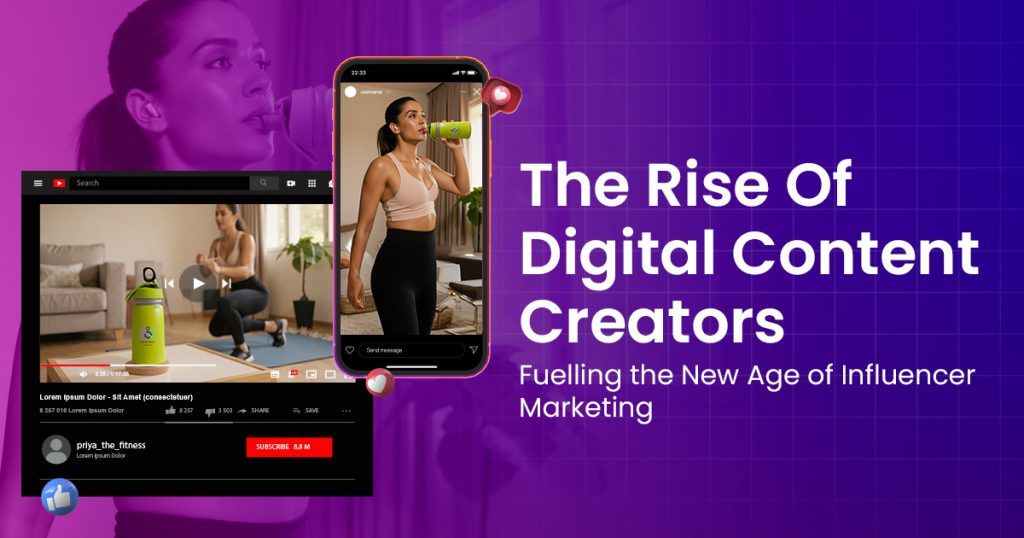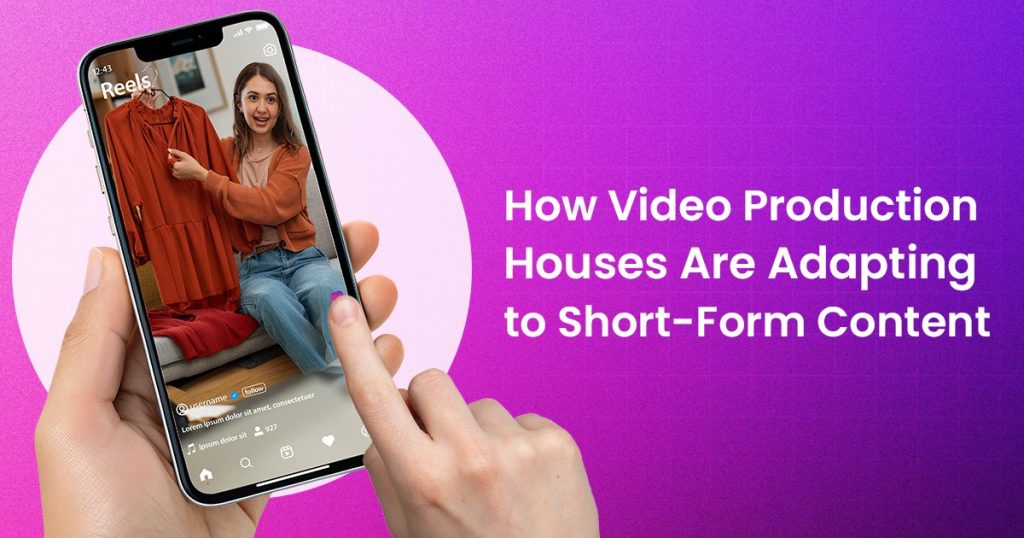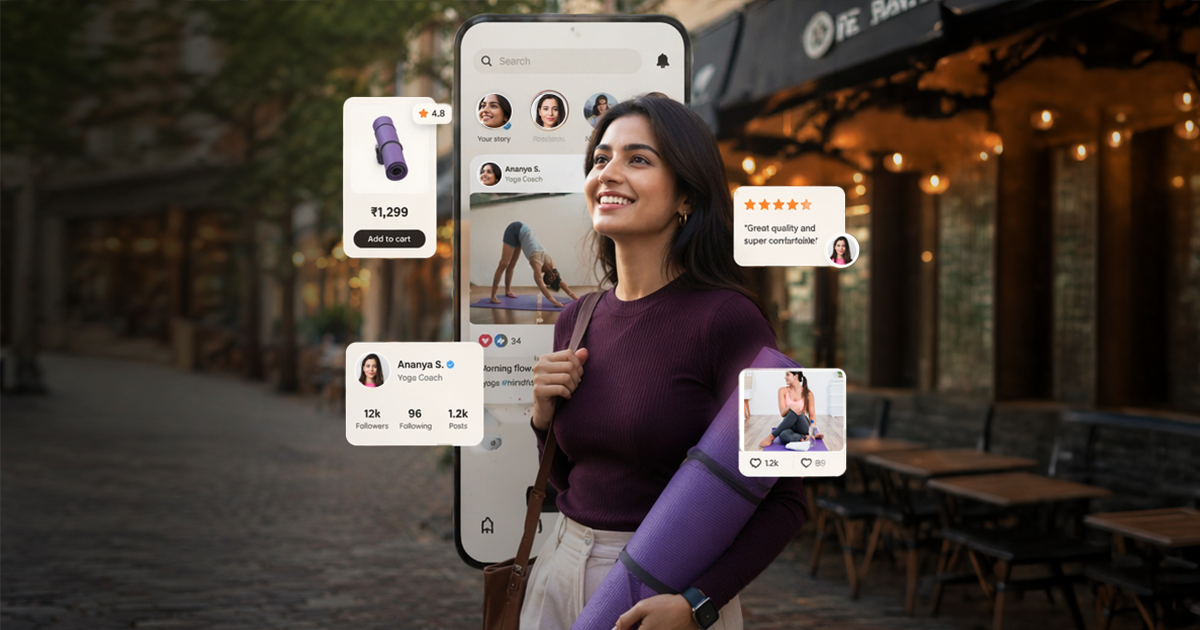
Scroll through Instagram, YouTube Shorts, or product pages today, and you’ll notice a clear shift in how brands communicate. Instead of relying solely on polished commercials, many are using videos created by real people to demonstrate products in everyday situations. This change reflects a growing preference for content that feels authentic rather than overly produced.
The popularity of creator-led content has transformed how businesses approach UGC Campaign strategies. Instead of treating user-generated content as an add-on, brands are integrating it into paid advertising, e-commerce, social media, and even product pages. The result is content that not only attracts attention but also builds trust throughout the customer journey.
Think Beyond Social Media
For many businesses, UGC is still synonymous with Instagram Reels or TikTok videos. In fact, creator-generated content is now being leveraged in several customer touchpoints.
Brands are using UGC in:
- Product detail pages
- Paid social advertisements
- E-commerce marketplaces
- Landing pages
- Email campaigns
- Digital display ads
Standardising the creator content from one channel to another enables brands to get the most out of each collaboration without losing their messaging.
Prioritise Creators Who Understand Your Audience
Successful campaigns do not necessarily have to be created by the creator with the biggest audience. Rather, they do well when the material resonates with the audience that is viewing it.
An effective UGC strategy is built around people who are drawn to a topic, language, and buying habits that resonate with their target audience. The content they produce is often more like a recommendation and can seem like a true product suggestion, which could help brands establish credibility.
Also read: How Professional User-Generated Content (PUGC) Builds Brand Trust
Create Content That Can Be Reused
The power of UGC lies in the fact that it can be used to create value for a campaign beyond its end.
Brands are no longer producing content for one-time advertising but instead creating content libraries that can be reused throughout the year. A product demonstration developed today can ultimately turn up a website, e-mail marketing campaign, marketplace listing, or paid advertising.
With this, companies can benefit from each creation partnership in a better way, and also, minimize constant creation.
Give Creators Direction, Not Scripts
Consumers can easily spot over-prepared content, which is why many successful brands have opted for a more flexible creative brief as opposed to detailed scripts.
Rather than dictating each line, brands give creators:
- Campaign objectives
- Product information
- Key messages
- Content guidelines
Next, creators display the product as per their style and what they think customers are expecting. This is a compromise of creative freedom and a consistent brand that can lead to better engagement.

Measure Content Value, Not Just Reach
While several followers and views are still important, it is not the complete picture.
Today, many brands are considering UGC marketing by measuring their contribution to the different stages of the customer journey and across various platforms. Content that can serve multiple purposes—discovery of the product, engagement on the website, and purchase decisions—can provide more value over time than content that only gets high views.
By going beyond vanity metrics, brands can make better decisions on future creator partnerships.
Also read: Benefits of UGC Video Creation in Marketing: A Complete Guide
Build an Always-On UGC Engine
Creating high-performing brands is not just about sporadic campaigns. Rather, they see UGC as an approach to content and something they must continually pursue.
Collaborating with creators all year round ensures a continuous flow of fresh, authentic content for seasonal marketing campaigns, product launches, and daily marketing efforts. This way, creator relationships are also bolstered, and brands can adapt faster to evolving trends.
Brands can use platforms such as Talentrack to find creators across a variety of categories, making it easier to source high-quality UGC content for brands that align with campaign goals and target audiences.
Conclusion
As digital marketing continues to evolve, authentic creator content has become one of the most valuable assets a brand can produce. Businesses that invest in thoughtful UGC Campaign strategies are moving beyond one-off collaborations and building long-term content ecosystems that support advertising, e-commerce, and customer engagement.
Rather than focusing only on reach, brands that prioritise authentic storytelling, reusable content, and the right creator partnerships are better positioned to maximise the impact of UGC Campaign strategies while creating meaningful connections with their audiences.
Frequently Asked Questions
How do brands source creators for UGC campaigns?
Brands often use creator discovery platforms like Talentrack to find creators whose content style and audience align with their campaign objectives.
Can UGC be used for paid advertising campaigns?
Yes. Many brands repurpose creator-generated content for paid social ads, display advertising, and e-commerce campaigns.
How long should a UGC campaign run?
The duration depends on campaign goals, but ongoing creator collaborations often provide more consistent content and long-term value than one-off campaigns.
What types of brands benefit most from UGC campaigns?
UGC works well for industries such as fashion, beauty, food, travel, technology, wellness, and e-commerce, where authentic creator content can influence purchasing decisions.