Advertising campaigns are increasingly expected to deliver more content across more platforms. A single campaign may need short-form social videos, digital advertisements, product explainers, ecommerce content, and multiple regional versions. Creating every variation through conventional production can require significant time and coordination.
AI-enabled production is giving brands additional ways to approach these requirements. One emerging option is using AI male actors in advertising, where digital representations can support approved content across different formats and campaign needs.
The opportunity is not simply about replacing traditional performers. Instead, brands are exploring how AI-enabled talent can help make selected parts of content production more adaptable while keeping creative direction and responsible usage at the centre.
Creating More Adaptable Advertising Content
Campaign needs change over time. Post-campaign brands may find they need to tweak the messaging or try out different creative lures or adjust content for individual platforms.
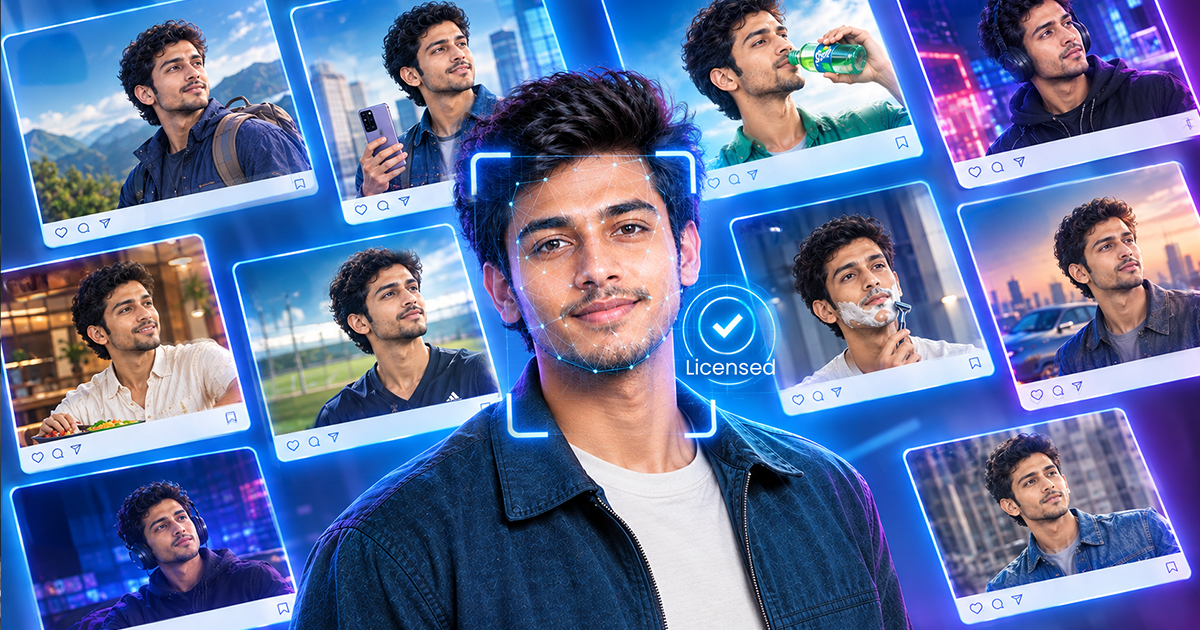
AI male actors can assist in more flexible workflows here. Depending on the production and licensing agreements, a digital representation can be added to various scripts, formats and campaign variations without having to shoot a whole new shoot for each asset.
For instance, a campaign spokesperson can be featured in a longer video about the product, followed by shorter versions created for social media or digital ads. The creative concept can stay intact, and the content can be tweaked to meet the needs of the audience and the platform.
Supporting Creative Testing and Campaign Variations
Testing is a key component in performance marketing. Opening lines, benefits of the product, visual treatment or call to action may be different for different audiences.
AI male actors can assist production teams in testing different variations of a campaign within a given creative direction. AI male actors can be utilised in advertising to test different variations of a campaign within a given creative direction. One concept can be developed into several different versions, enabling marketers to try out different messaging or formats.
This can be especially beneficial in instances where brands require regular creative changes. But creating additional variations shouldn’t be a reason to publish content without review. Both versions must be checked for accuracy, fit with the brand, and quality.
While AI can be used to help create a campaign, it shouldn’t replace performance data and human judgment.
Product Demonstrations and Explainer Campaigns
Not every advertising campaign is about creating awareness for the brand. A lot of campaigns have to describe a product or the importance of a specific service.
Male AI actors for advertising can be leveraged in creative campaigns that require a consistent digital presenter for the content, such as spokesperson-style ads or product explainers and demonstration ads.
If features, offers or messaging change, a brand might find itself needing to upgrade an explainer. Using AI for production can offer more flexibility when it comes to adapting approved content and not having to start from scratch.
The suitability of AI male actors will depend on the product, audience, and creative requirements. When used in the right way, they can give brands a consistent digital presence while letting content be changed for different platforms.

Supporting Localised and Multi-Format Campaigns
Brands are likely to reach out to audiences in various markets and channels. This can lead to a need for more content in different languages, sizes and proportions.
AI-driven production can help tailor a campaign to these various needs. A digital representation can be useful in ensuring continuity across approved variations, as teams update the language, messaging, or platform-specific creative elements.
This can help to make production processes quicker for brands with high-volume campaigns. Teams can develop on a proven creative base rather than starting a new project each time a new variation is identified.
AI-Generated Talent and Responsible Usage
With the use of AI-generated actors for brands also come important questions regarding the creation and use of digital identities.
Brands need to differentiate between totally synthetic identities and representations associated to actual people. If the appearance, identity or likeness of a real person is used, then consent and defined usage should be a part of the production process.
Specific agreements can help define how a digital representation is used. These agreements include content, length of campaign, platforms, and any other limits that may apply.
This is one of the reasons why responsible AI-powered advertising must go beyond the mere selection of a technology tool. The rights, permissions and intended use of the digital representation are as important as the final visual output.
Exploring Licensed AI-Talent in India
Brands exploring AI-enabled advertising can discover emerging Licensed AI-Talent on Talentrack based on their creative and production requirements. The following male talent profiles represent different professional backgrounds that may be relevant to branded AI content.
Swapnil Kale’s profile identifies him as a freelance actor and model who is passionate about his work. His background across acting and modelling may be relevant for brands exploring character-led or visually driven advertising content.
Janardan Jha is a professional comedy actor whose profile highlights his ability to portray different characters. His performance background may be relevant for campaigns requiring expressive, character-based or entertainment-focused creative content.
Janit Bhutani’s profile highlights experience in modelling and theatre, including acting experience developed through theatre training. Brands can explore his profile based on the specific style and performance requirements of their advertising campaigns.
Mumbai-based Sumit Patwari is described on his profile as a professional and versatile male model. His modelling background may be relevant for brands exploring fashion, lifestyle, product or visually focused campaign content.
Sai Ketan Rao’s profile highlights his acting background and theatre training. His experience may be relevant for narrative-led advertising, character-driven campaigns and other content requiring a performance-focused approach.
Talentrack helps brands discover and connect with creative professionals and emerging Licensed AI-Talent based on their advertising and content requirements. This allows businesses to explore AI-enabled production options while considering creative suitability and responsible usage.
Conclusion
AI male actors in advertising are opening up additional possibilities for brands that need adaptable campaign content across formats, platforms and audiences. They can support creative testing, product explainers, campaign adaptations and other production requirements when used appropriately.
The strongest results are likely to come from combining AI capabilities with human creativity, clear usage considerations and structured review. Rather than replacing traditional advertising production altogether, AI-enabled talent can give brands another option for building flexible and scalable campaigns.
Frequently Asked Questions
Can AI-enabled advertising content be updated after a campaign has launched?
This depends on the production setup and the approved rights and usage terms for the digital representation.
Are AI male actors suitable for every advertising category?
Not necessarily. Suitability depends on the campaign objective, audience, creative approach and type of product or service being promoted.
What should brands consider before selecting AI-enabled talent?
Brands should assess creative suitability, approved usage, licensing arrangements and how the talent fits the campaign requirements.