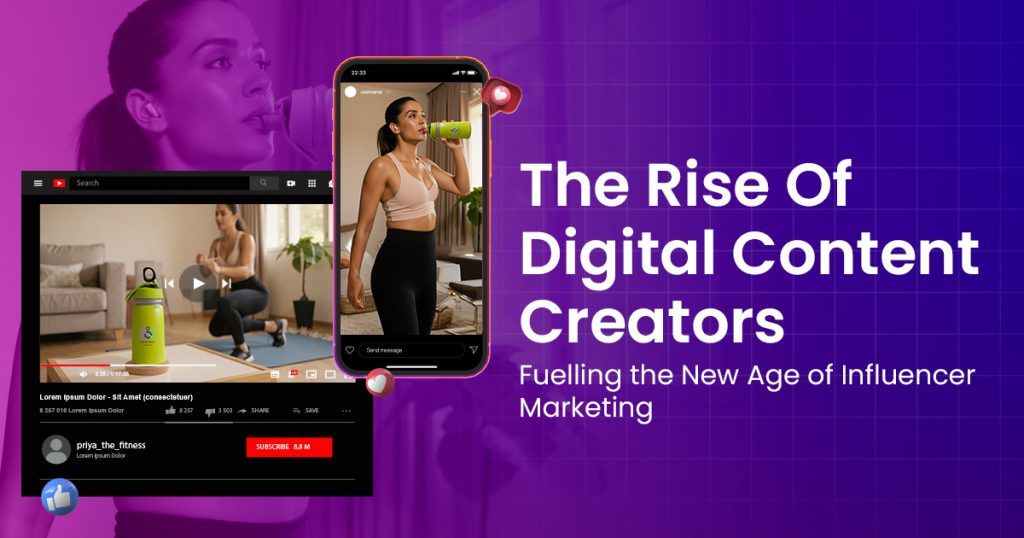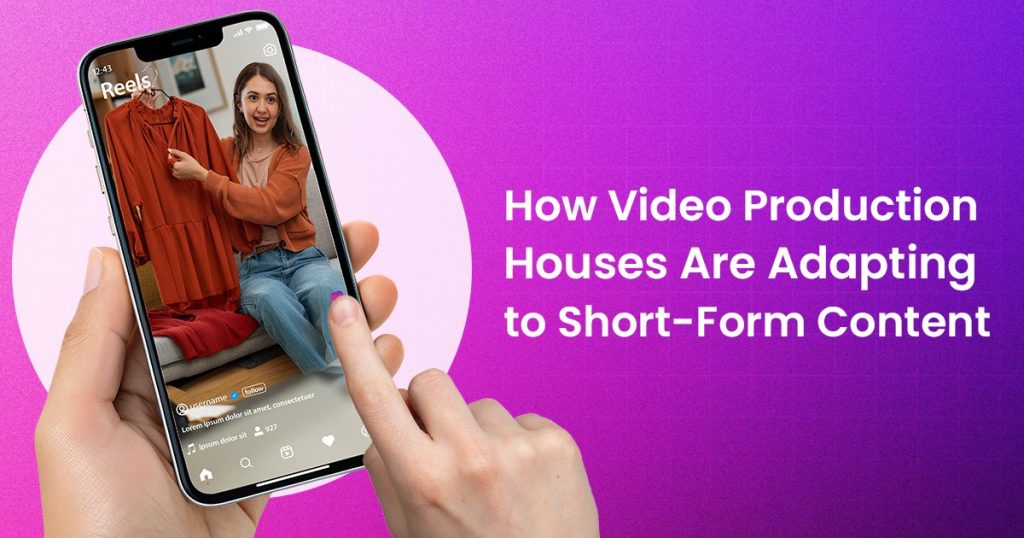
The D2C market in 2026 is becoming more competitive than ever, and traditional advertising alone is not enough to capture consumer attention. Today’s customers trust authentic recommendations, creator-led content, and real user experiences before making purchase decisions. This shift has made Influencer marketing for D2C Brand growth one of the most effective strategies for scaling faster.
From increasing brand visibility to driving engagement and conversions, influencer collaborations are helping D2C businesses build stronger customer connections in a highly crowded digital space. In this blog, we will explore how influencer marketing is transforming D2C growth in 2026 and the strategies brands are using to stay ahead.
Why Influencer Marketing Works So Well for D2C Brands
Traditional advertising often fails to build trust among consumers. Meanwhile, influencers have loyal followers who trust their opinion, making creator collaborations highly effective for D2C businesses.
Instead of relying on paid ads, brands can showcase their products through creators who can connect with their target audience. This helps businesses to achieve better visibility and engagement with their target customers.
Some of the benefits include:
- Faster audience reach
- Higher engagement
- Build consumer trust
- Generate better social proof
- Reduced customer acquisition costs
The Rise of Creator-Led Commerce
One of the biggest D2C influencer marketing trends in 2026 is creator-led commerce. Influencers are not just promoting brands or products anymore; they are selling them directly to consumers via live shopping, affiliate marketing, product reviews, and discount coupons.
Short-form videos are the go-to format on digital platforms, which makes influencer-based campaigns effective for product discovery. People are more interested in learning about other real-life experiences than in ads.
As a result, influencer marketing for D2C brand campaigns is becoming more performance-focused, helping businesses track engagement, conversions, and ROI more accurately.
Micro and Nano-Influencers Are Driving Better Results
D2C brands are shifting from celebrity endorsements to micro and nano-influencers. Despite their small audience sizes, these creators often generate high engagement and build more trust among their followers.
Micro-influencers help brands achieve:
- Greater audience engagement
- Authentic conversations
- Increased conversion opportunities
- Cost-effective marketing campaigns
This transition is reshaping the way modern D2C Influencer marketing approaches. Rather than relying on one influencer, the brands collaborate with several niche influencers who target different customers effectively.
For instance, a beauty brand can collaborate with skincare creators, wellness experts, and lifestyle vloggers simultaneously to maximize credibility and reach.
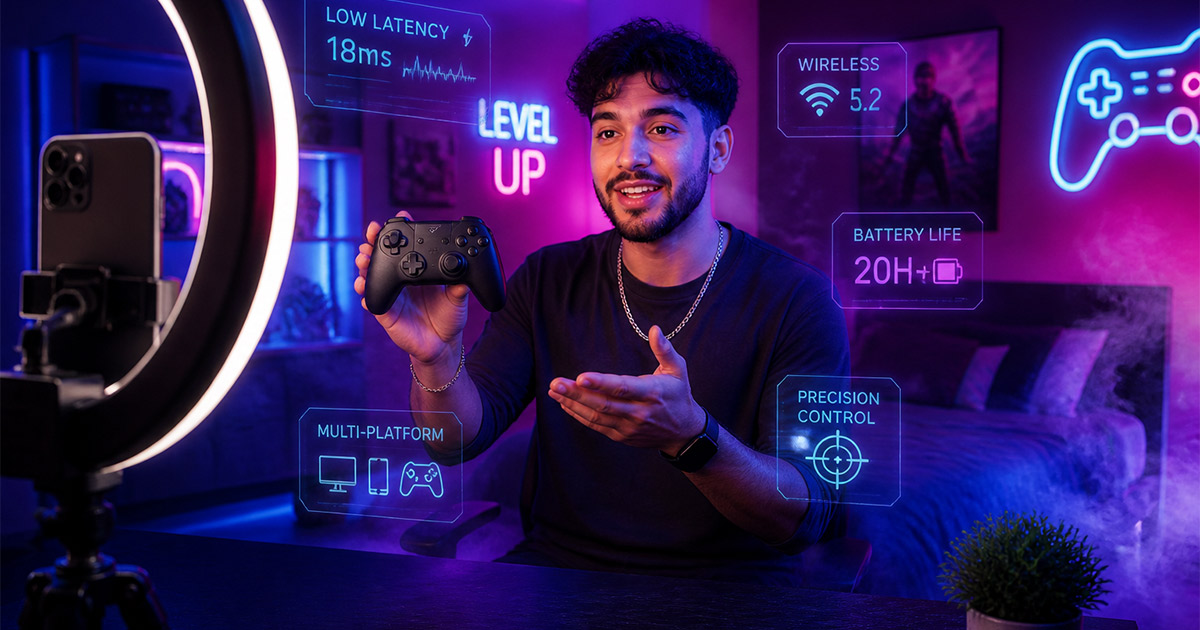
Data-Driven Campaigns Are Becoming Essential
Influencer marketing in 2026 is heavily driven by analytics and audience insights. Businesses are shifting away from follower counts and focusing more on engagement, audience relevance, and conversion rates.
One of the most effective strategies for D2C influencer marketing involves using campaign data to optimize creator partnerships consistently. Businesses now evaluate:
- Audience authenticity
- Engagement quality
- Conversion rates
- Audience interests
- Content relevance
With this approach, brands will be able to minimize unnecessary spending and enhance their campaign performance.
Talentrack helps companies discover creators and influencers that suit their brands and audiences.
Long-Term Partnerships Are Replacing One-Time Promotions
It is easy for consumers to spot forced promotions; that’s why several brands have started preferring to collaborate with creators in the long run. If a product is constantly recommended by a creator, it builds trust among consumers.
This approach is regarded as one of the most effective D2C influencer marketing strategies because it focuses on authenticity and long-term audience relationships rather than short-term visibility.
Final Thoughts
The future of D2C growth will largely be driven by authentic creator collaborations and community-driven engagement. Consumers trust creators who provide relevant experience and genuine advice, making such collaborations an effective marketing tactic.
With brands focused on running data-driven campaigns, niche influencers, and strategic long-term collaborations are scaling faster compared to those that just engage in traditional marketing. As influencer-led commerce continues to grow, platforms like Talentrack can help brands connect with the right creators to build impactful and result-driven campaigns.
Frequently Asked Questions
How does Talentrack help D2C brands find the right influencers?
Talentrack helps brands to connect with influencers and creators in various niches, making it easier to execute targeted and impactful marketing campaigns.
What should brands look for before starting an influencer marketing campaign?
Brands should consider Audience relevancy, engagement level, content format, and marketing objectives before starting influencer marketing campaigns.
Which type of influencers are best for niche D2C brands?
For niche D2C brands, micro or nano influencers are more suitable due to higher levels of trust and engagement among their followers.