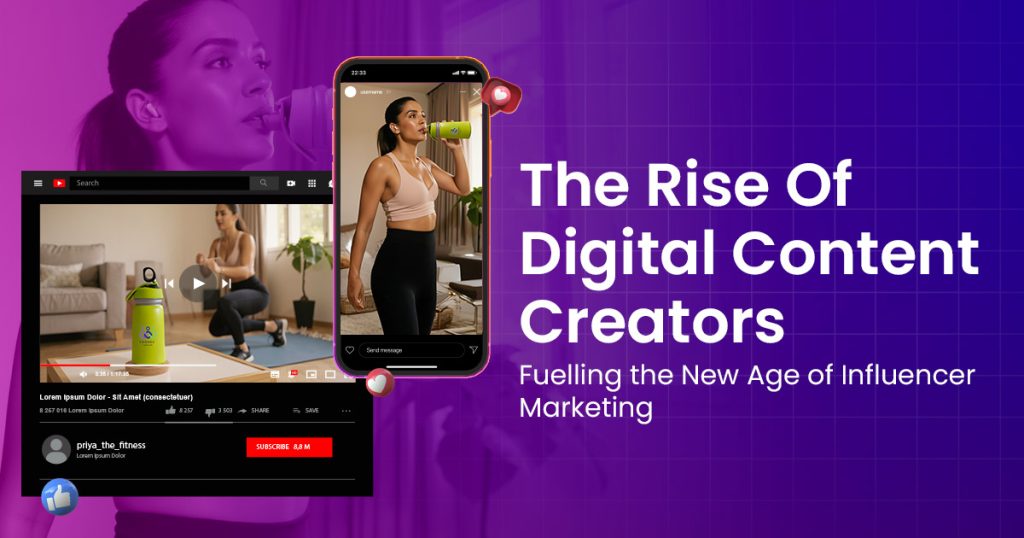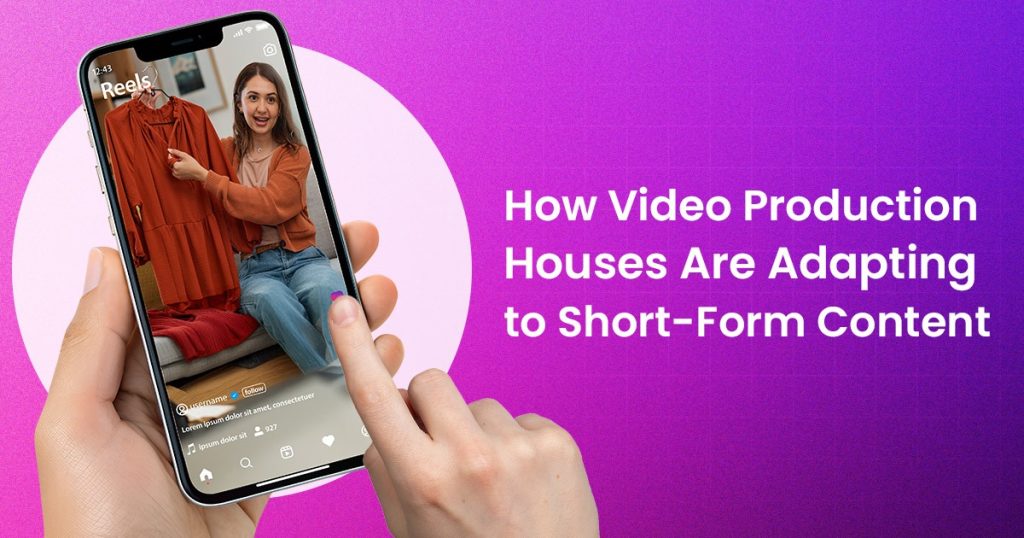
User-generated content has become an important part of digital marketing because audiences often respond to content that feels personal, relatable and less polished than conventional advertising. Now, artificial intelligence is introducing another possibility: content that recreates the style of creator videos without requiring a human creator to appear in every asset.
This is where AI UGC enters the conversation. From product demonstrations to virtual presenters, AI is changing how brands approach content production. But can AI-generated content genuinely replace real creators, or does it work better as an additional option?
What Is AI UGC?
AI UGC is content that is generated or heavily influenced by AI and mimics the style of user-generated content. This can encompass AI-driven presenters, product simulations created by synthetic technology, virtual characters, and scripted product testimonials delivered by virtual characters and videos generated with AI tools.
In traditional UGC, the content is usually created by real individuals, who share their experiences, show how to use a product, or express their opinions. This format can be replicated by AI-generated UGC without a creator, through conversational delivery, informal visuals, and short-form storytelling.
But it’s not authenticity, it’s not real personal experience. It is not enough for a presenter to look relatable on screen to deliver a real first-hand product experience.
Why Are Brands Exploring AI UGC?
An advantage of AI production is the capability to create and customise content for various needs. For brands with multiple products, audiences or digital channels, multiple variations of the video may be necessary.
AI content creation can support this process in several ways:
Creative variations: Existing concepts can be adapted into different formats, messages or visual styles.
Product communication: AI-generated visuals and presenters can help explain product features or demonstrate selected use cases.
Multilingual content: AI tools can assist with adapting scripts, voiceovers and videos for different language audiences.
Production flexibility: Some content formats can be developed without arranging a conventional shoot for every variation.
For certain production needs, AI UGC is worth considering for these possibilities. The real value, however, will rely on the tools, creative process, and human review and the nature of the content.
What Real Creators Bring That AI Cannot Automatically Replace
Creator content isn’t all about the visuals. Real creators contribute personal experiences, individual points of view, cultural insight and communication styles developed through the interactions with audiences.
For instance, a skin care creator can talk about their own experience with a skin care product, describe how they used it, and provide their own observations. An AI-generated presenter may be able to convey product information, but not truly say that same experience if that is not actually the case.
Trust is another consideration. A 2025 systematic literature review published in Acta Psychologica, which examined 51 research articles on virtual influencers, identified authenticity, transparency and consumer trust as important themes in how audiences respond to synthetic personas. The findings suggest that realistic appearances alone do not settle questions around credibility. (Source: Acta Psychologica)
This distinction is important especially in categories that are influenced by personal recommendations, lived experiences or community relationships when making purchasing decisions. While AI can duplicate a creator style, it cannot duplicate the relationship that underlies the format.

AI UGC vs Real Creator Content: Which Works Better?
Neither approach is automatically better for every campaign. The choice depends on what the content needs to communicate.
AI-generated UGC can be appropriate for product explainers, feature demos, basic promotional videos, and consistent variations that need to be presented in a uniform manner. It can also be used in conjunction with existing human campaigns to help with other versions of the approved messaging.
Real creators might be better suited for campaigns that require real product experiences, personal storytelling, audience engagement, or a creator’s credibility within a community.
A mix of approaches may be effective as well. AI-assisted production could be utilised to customise other assets, such as social media posts and videos, while a brand works with a real creator for the initial campaign. This model may not be appropriate for the creator’s permission, the type of content and purpose.
Where Licensed AI Talent Fits In
Another crucial difference between AI-generated content based on a real person’s licensed likeness and a fully synthetic persona is the ability to maintain a distinct personality and voice.
Talentrack’s licensed AI talent offering lets brands and agencies find true actors, models, and creators with which to leverage specific AI-generated content, with defined permissions and licensing terms.
This can help campaigns have a unified human presence on multiple digital assets but still maintain a clear relationship with the talent. Brands looking into AI actors in India can also consider using licensed actors for AI-generated ads, brand videos, product videos, and social media content.
It doesn’t eliminate the need for creative judgement or ensure that all uses are appropriate. The purpose and use of the content are subject to the applicable licenses.
So, Can AI UGC Replace Real Creator Content?
AI UGC can reproduce some features of creator-style videos and offer additional flexibility for content production. However, replacing a format is not the same as replacing the human experience, perspective and audience relationship that real creators contribute.
For brands, the more useful question may be where AI adds value and where human participation remains central. AI-assisted production can support scale and creative experimentation, while real creators can contribute authentic experiences and distinctive perspectives.
The future of content creation is therefore unlikely to depend on choosing one approach for every situation. A thoughtful combination of AI tools, human creativity and clearly defined usage rights can give brands more ways to develop relevant content without treating AI as a universal substitute for real creators.
Frequently Asked Questions
Yes, AI UGC can be adapted into different video lengths, aspect ratios and creative formats to suit platform requirements.
Who owns the rights to AI-generated UGC?
Ownership and usage rights depend on the tools, source materials, agreements and applicable terms associated with the content.
Can small businesses use AI UGC for product marketing?
Yes, small businesses can explore AI UGC for product explainers, promotional videos and digital campaigns, depending on their content needs and resources.