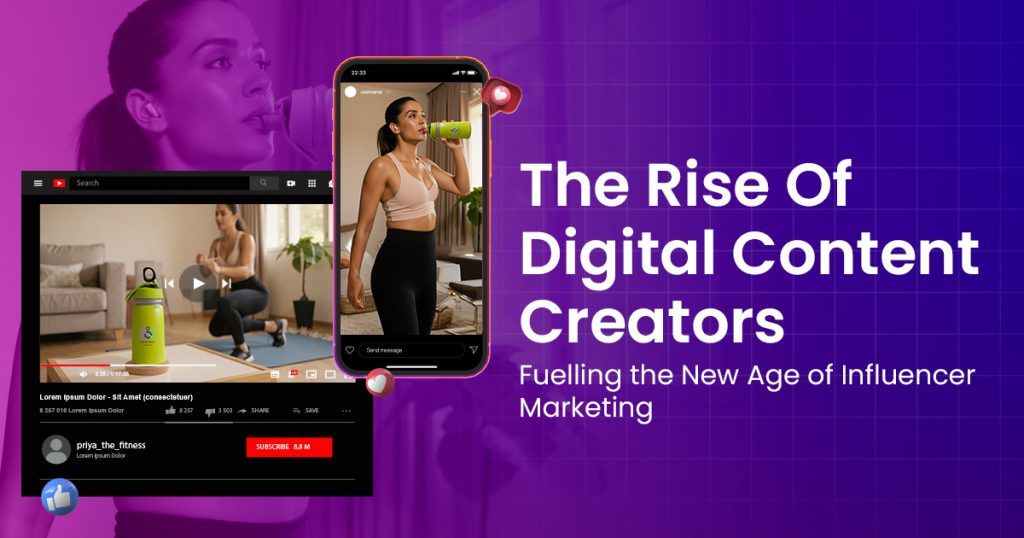
The trend of short-form videos, AI tools, and creator-driven campaigns is changing brand-to-audience relationships. In 2025, a digital content agency can no longer deliver merely content but the ability to serve as a strategic creative engine and be platform-specific and adaptive to changes in real-time.
With the rise in demand, every video content marketing agency should respond to the quicker deadlines and decisions based on data. Platforms such as Talentrack provide their agency with the talent needed to make a headway, as well as AI-enabled solutions that help to create effective and focused campaigns that will yield greater returns in the evolving content economy.
The Rise of Strategic Content Creation
A digital content agency aims at a data-driven, audience-centric approach instead of creating random content. These agencies combine narrative writing, data analysis, and monitoring performance to achieve outcomes. They excel in content development that benefits certain platforms and audiences, using a single asset to be disseminated across several formats, such as on Instagram Reel, a detailed Algorithm-level YouTube demonstration, and a LinkedIn carousel, allowing each asset to reach the most individuals and provide value to them.
Video Content: The Undisputed King
According to the 2025 Wyzowl report, 91% of companies currently employ video marketing, compared to 86% in 2023. This shows the emergence of an increasing need for a video content marketing agency which designs both discretionary and extensive content as per the concern of brand. Short videos perform best on Instagram and YouTube Shorts, whereas explainer videos, live streams, and animations can be used in multi-channel campaigns at greater depth to increase engagement and conversions.
AI and Automation in Content Production
The use of AI tools in the content creation process is one of the most thrilling developments of 2025. Voiceover and automatic video editing to script writing and creation of thumbnails, artificial intelligence has been making efficiency and speed incomparable.
The tools that digital content agencies are using more frequently include:
- Video editing with Runway ML
- Scripting and idea generation using ChatGPT
- Synthesia and Pictory on AI avatars and explainer videos
- Transcription and podcast editing with Descript
Such technologies will enable the video content marketing agencies to scale production without their quality suffering.
The Role of Data and Analytics
Another maturing stage in content performance analytics would be 2025. The real-time feedback, sentiment analysis, heatmaps, and platform-specific insights are provided in a deep connection with the content cycle.
AI-powered dashboards at modern agencies are created to:
- Monitor click-throughs and engagement rates
- Examine video drop-off points on videos
- Get titles, thumbnails, and meta tags optimised
- Forecast content trends and topics based on audience behaviour
This will not only make the right content available to the right people, instead it will also make the content accomplish its intended goal, which can be brand awareness, incitement of leads or sales.
User-Generated Content and Influencer Integration
Brand-generated content has been losing its consumer credibility. As an alternative, user-generated content (UGC) and influencer marketing campaigns are becoming even more influential. Agencies have partnered with micro and nano influencers that add authenticity and credibility within the community.
The video content marketing agency can act as a matchmaker between brands and influencers and script a campaign, and oversee the cross-promotion. In 2025, those forms of UGC such as reviews, testimonials, challenges, and tutorials, remain the most dominant.
The Emergence of Niche Content Studio
The single solution agency model is dying out as content becomes increasingly niche. Instead, there has been a growth of specialised digital content agencies which are specialised in certain industries such as:
- Healthcare (videos of patient learning)
- Edtech (interactive learning modules)
- Finance (explainer animations)
- eCommerce (product videos and UGC)
These niche studios constitute extensive domain knowledge, added with creative production capacity that provides a matchless value to industry-based clients.
Remote Collaboration and Cloud-Based Workflow
The post-COVID world formalised the concept of remote working, and the majority of content teams will operate in hybrid or entirely virtual conditions by 2025. Online editing programs such as Adobe Creative Cloud, Frame.io, and Notion help make teamwork across thousands of miles seamless.
Clients are capable of reviewing, commenting, and approving assets in real-time-enabling brands and agencies to scale and enable more global partnerships.
Sustainability and Ethics in Content Creation
Now, the consumeristic modern world is interested in the way content is created as it regards its environmental friendliness, inclusivity, and authenticity. Among the practices that are being undertaken by agencies towards eco-friendly production are:
- Digital locations in place of actual ones
- Distant shooting to lessen travelling
- Diversity in casting and easy to read (closed captions, alt text)
Partnering with a socially responsible digital content agency is not only a PR operation or PR stunt, it is a brand necessity.
Conclusion: Where We Are Headed
In 2025, content creation is not merely a matter of visual style but a matter of strategy, flexibility, and creativity. The role of a digital content agency has shifted from creative vendor to performance-oriented growth partner who grasps platforms, people, and performance.
And while a video content marketing agency is the power behind every successful visual campaign, it merges storytelling with measurement, creativity with data, and engagement with return on investment. If you need any assistance in the journey of online content creation, then do check out platform Talentrack for opportunites.