Influencer marketing is no longer an independent strategy adopted by brands. Integrated influencer campaigns now sit at the core of high-performing marketing strategies — and for good reason.
The effect of influencer content is multiplied in case it is correlated with paid advertising, e-mail marketing, and social media. This guide just describes the specific way integration can lead to a tangible ROI and how your brand can use it.
What Are Integrated Influencer Campaigns?
An integrated influencer campaign merges the content of the influencer with the other marketing channels into a single campaign. Rather than placing influencer posts separately, brands do them in parallel with:
- Paid media amplification
- Organic social strategy
- Product launches and seasonal promotions
- SEO and content marketing goals
Each influencer’s content is not merely a like or impressions goal, but a bigger business goal.
Why Standalone Campaigns Fall Short
Influencer campaigns are used by many brands on an isolated basis. The influencer makes the post, receives the engagement, and the campaign is over; most of the value is not utilised.
Siloed influencer marketing is usually associated with common issues such as:
- Weak alignment with brand messaging
- Inconsistent audience targeting
- Difficulty tracking conversions
- Poor content repurposing
- Budget spent on vanity metrics
Integration is the solution to these issues because it provides influencer content with an objective other than a single post.
How Integrated Influencer Campaigns Improve ROI
1. Multi-Channel Amplification Multiplies Value
Reuse of the influencer content in the paid ads and email, as well as brand social content, can create a return on one piece of content. One product review can be:
- Boosted as a paid social ad
- Embedded on a product landing page
- Featured in an email campaign
- Shared across brand-owned channels
This maximises the value of every dollar spent on influencer campaign management — without producing content from scratch.
2. Consistent Messaging Builds Purchase Intent
Integrated campaigns make the influencer content consistent with the brand message. This is because when viewers receive the same message through multiple platforms and performed by a recognised brand and a trusted influencer, they get a higher level of purchase intent, and this leads to purchases.
3. Sharper Targeting Reduces Wasted Spend
A strong influencer marketing strategy for brands combines influencer audience data with brand first-party data. This enables marketers to re-target active followers, create lookalikes, and reduce irrelevant segments – reducing cost-per-acquisition and increasing return on ad spend.
4. Full-Funnel Coverage Converts More Buyers
Single influencer promotions create awareness – that is all. The integrated campaigns include the entire funnel:
| Funnel Stage | Influencer Content Role |
| Awareness | Organic posts and Reels |
| Consideration | YouTube reviews and blog features |
| Decision | Discount codes and testimonials |
| Retention | Ambassador content and loyalty campaigns |
5. Smarter Data Improves Campaign Decisions
Integrated influencer campaign management gives brands access to holistic performance data — not just engagement metrics. The indicators to be monitored are:
- Attributed conversions via UTM links
- Cost per acquisition across influencer tiers
- Earned media value from organic engagement
- Content performance across repurposed placements
Once all the data is available in a single view, it can optimise real-time spending and scale what works.
How to Build an Integrated Influencer Marketing Strategy
Step 1: Set Clear Business Objectives
Each campaign should be initiated with a quantifiable outcome, such as sales of the product, obtained leads, email subscriptions or an increase in brand search. Unclear objectives bring about uncertainty in outcomes.
Step 2: Match Influencer Tier to Your Goal
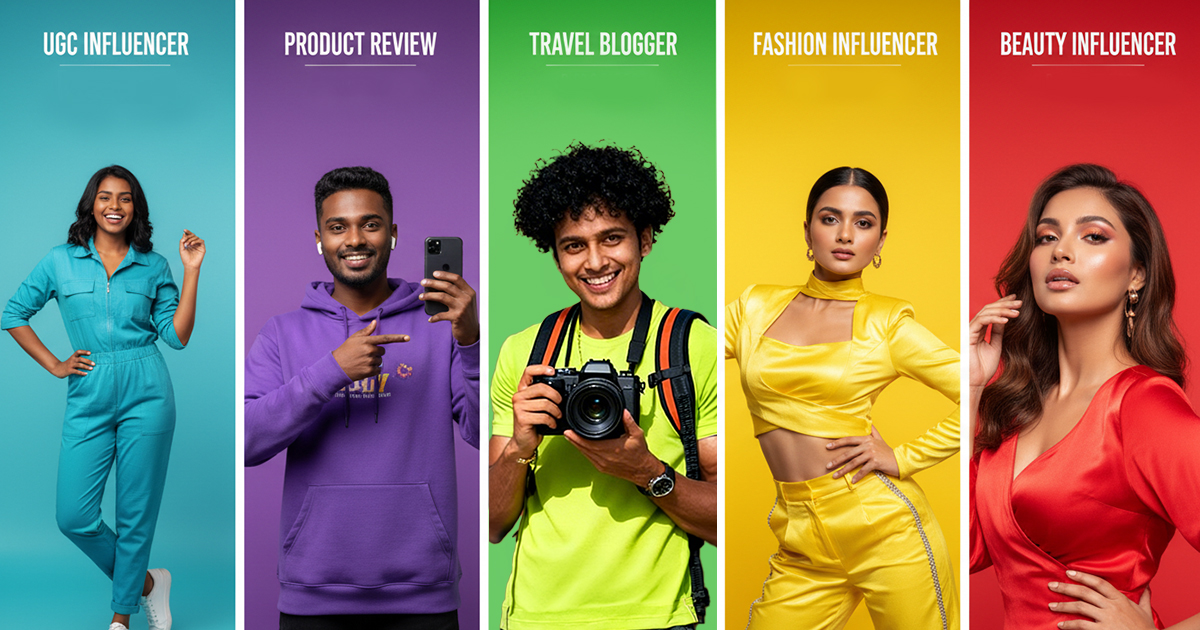
- Nano (1K–10K): High trust, niche audiences, low cost
- Micro (10K–100K): Strong engagement, targeted reach
- Macro (100K–1M): Broad awareness, higher investment
- Mega (1M+): Maximum reach, lower engagement rates
A combination of micro and macro influencers works best when it comes to most brands in terms of providing the optimal ratio of reach and ROI.
Step 3: Align Content With Campaign Messaging
Short-term influencers who have explicit instructions to suit your larger campaign. Unity in all media enhances brand credibility and trust.
Step 4: Plan Content Repurposing From Day One
Prev Determining the reuse of influencer content before launch: Which content will be paid ads, which will help email campaigns, and what will be on the landing pages. It is in repurposing that integrated campaigns would multiply their ROI.
Step 5: Track, Analyse, and Optimise
Assign each conversion to its origin by the use of UTM parameters and promo codes. Evaluate performance and change your influencer mix, content format or spend by using actual data.

Conclusion
Integrated influencer campaigns deliver what standalone campaigns cannot — compounding returns across every marketing channel. With the combination of influencer content and paid media, email, and social strategy, the influence on ROI can be assessed and scaled.
Define your goals, make the right choices of influencers, align your message, and make repurposing part of your strategy on day one. It is the way brands make influencer marketing their stable source of growth.
Frequently Asked Questions
What are the biggest mistakes brands make in influencer campaign management?
Poor choices of influencers, lack of content alignment with the general campaign objectives, and the lack of pre-planning content reuse are the most common errors in influencer campaign management. The performance monitoring that goes beyond the engagement metrics is also frequently neglected by the brands and prevents their ability to optimise the campaigns and increase ROI.
When should a brand use integrated influencer campaigns?
Integrated influencer campaigns should be adopted by the brands when they want to achieve measurable results, such as conversions, lead generation or long-term brand growth. They work particularly well in campaigns where the product is being launched, during seasonal campaigns, or in a full-funnel promotion campaign where the message on all channels should be the same.
How do you measure influencer campaign success?
Influencer campaign success is measured beyond reach and likes, focusing on attributed conversions, cost per acquisition (CPA), and overall impact on revenue or sales. Metrics like earned media value (EMV), engagement quality, and audience relevance also help assess how effectively the campaign performed and delivered real business results.