A brand’s identity is shaped by more than its logo, colours or tagline. The people, characters and visual elements associated with its communication can also influence how audiences recognise and remember it. As businesses explore AI-generated content, maintaining consistency across these elements is becoming an important part of digital brand communication.
Licensed AI Avatars offer brands an opportunity to explore digital representations of real creators who have consented to the AI-powered use of their likeness under defined permissions and usage terms. Beyond creating individual visuals, their potential lies in how a consistent digital identity can support different content formats and campaign requirements.
Why Consistent Brand Representation Matters
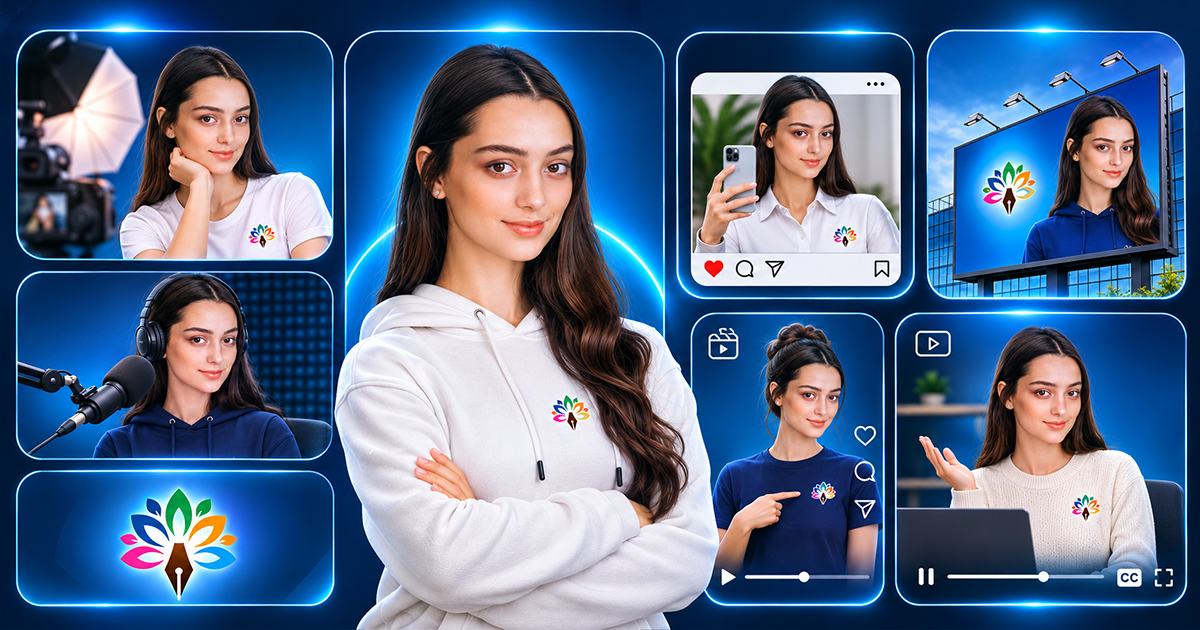
Audiences encounter brands across multiple digital touchpoints, including advertisements, social media, websites, product pages and digital videos. When the visual identity and communication style remain consistent, it becomes easier for audiences to recognise the brand across these interactions.
This familiarity can be established through a recurring presenter, character or digital identity. For instance, a brand launching a new product range could use a consistent digital identity across product explainers, promotional videos and social media creatives.
However, consistency involves more than repeating the same face. The tone, visual style, messaging and overall creative direction must also align with the brand’s identity.
Also read: A Practical Guide to Using Licensed AI Models for Small Business Marketing
How Licensed AI Avatars Support Brand Marketing
For businesses creating digital campaigns, Licensed AI avatars for brand marketing can provide an additional creative option. These avatars are connected to real people who have consented to the AI-powered use of their likeness, allowing brands to explore digital representations within the scope of the agreed permissions.
Depending on the creator’s profile and agreed usage, potential applications may include:
- Digital advertising: Using a consistent digital identity across selected promotional assets.
- Product communication: Developing visuals and videos that introduce products or explain their features.
- Social media campaigns: Exploring different content formats while maintaining a recognisable visual presence.
- Branded storytelling: Using a digital character or presenter to support a campaign narrative.
- E-commerce content: Creating product-focused visual assets for suitable digital platforms.
The actual applications depend on the creative brief, production requirements, and agreed usage terms.
Licensed AI Avatars and AI-Generated Avatars: Understanding the Difference
AI-Generated Avatars can encompass a wide range of virtual representations. Some are entirely digitally generated, while others are based on the likeness of real people.
Licensed AI Avatars represent a more specific approach. They are digital representations connected to real creators who have agreed to the AI-powered use of their likeness under defined conditions.
This distinction is important for brands exploring commercial applications involving human identity. The intended purpose, duration, distribution channels and permitted adaptations can all influence how an avatar is used.
Working with a real creator and clearly defined permissions also provides a more transparent foundation for planning AI-assisted content. However, this does not mean unrestricted usage rights, so the agreed scope remains important.

5 Considerations for Consistent Brand Representation Using AI Avatars
-
Choose an Avatar That Reflects the Brand
The selected avatar should reflect the brand’s personality, target audience and campaign objectives. Appearance and visual appeal matter, but the overall creative fit is equally important.
-
Establish a Consistent Visual Direction
Define the preferred presentation style, backgrounds, colours and communication tone. These elements can help maintain visual continuity when developing multiple campaign assets.
-
Plan for Different Content Formats
A brand may require short advertisements, product videos, social media creatives and website visuals. Understanding these requirements in advance can help inform the avatar selection and how it fits into the wider content strategy.
-
Keep Usage Permissions Clear
Using a real person’s likeness in AI-generated content involves consent and agreed usage conditions. Brands can clarify the permitted applications, platforms, campaign duration and scope of adaptations before production begins.
-
Maintain Human Creative Oversight
While AI can support content creation, human judgement remains important. Creative teams should review visual quality, factual accuracy, brand alignment and the overall suitability of the final output.
Also read: AI Actors in Enterprise Production: Benefits, Applications, and Limitations for Brands
Exploring AI Avatars in Advertising and Digital Campaigns
AI Avatars in Advertising can provide another approach to developing campaign visuals and digital storytelling. For instance, a brand might explore using a recurring digital presenter for product explainers or a suitable avatar across different promotional formats.
However, technology should support the campaign’s creative objectives rather than become the objective itself. Storytelling, audience relevance and effective brand communication remain central to how the content is received.
Talentrack’s licensed AI avatar offering connects brands and agencies with creators whose digital likenesses are available for AI-powered content production under defined usage rights. Businesses exploring AI content can browse available avatar profiles and identify potential matches based on their visual preferences and project requirements.
Final Thoughts
The value of Licensed AI Avatars extends beyond generating digital visuals. They offer brands another way to explore consistent digital representation while connecting AI-assisted content with real creators and defined usage permissions.
When supported by a clear creative direction, appropriate licensing and human review, AI avatars can become part of a broader content strategy that maintains brand familiarity across digital touchpoints.